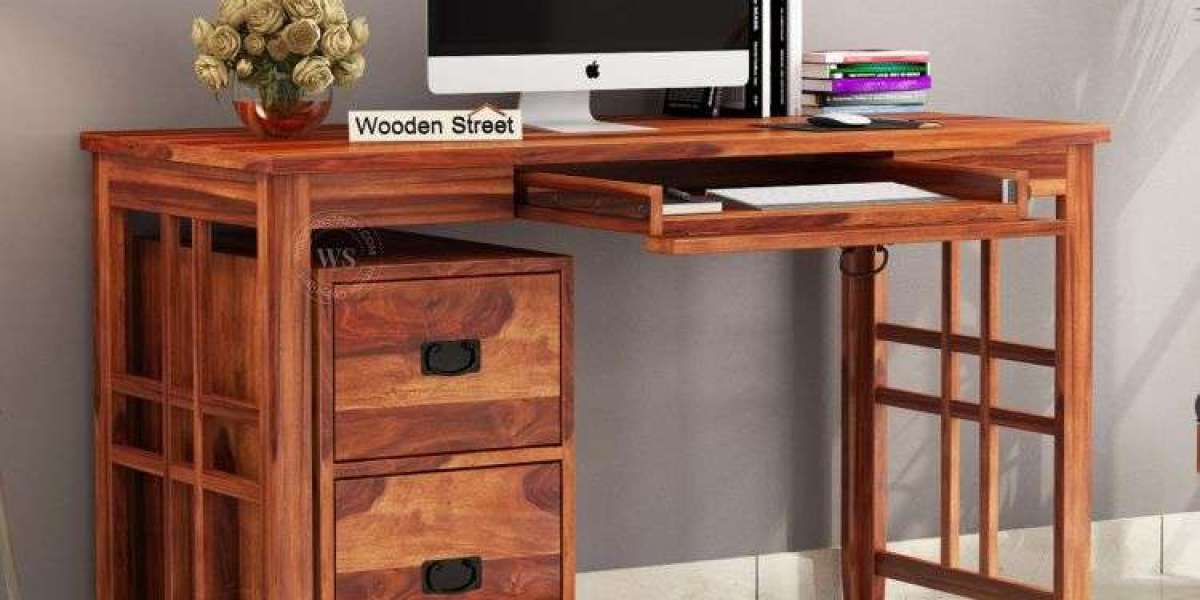

Whether it is for professional work, online learning, or creative projects, a good table ensures comfort, organization, and productivity. With countless options available, choosing the right one may feel overwhelming. The right approach is to consider design, functionality, durability, and your personal needs before making a decision.
Understanding Your Space and Requirements
The first step in selecting the perfect computer table is to evaluate the space where it will be placed. A small room may require a compact table, while a large study or office can accommodate an extended desk with multiple storage units. Measuring the available space helps avoid issues with fitting the table and ensures easy movement around the room.
Equally important is identifying your purpose. A table for gaming will have different requirements compared to one used for office work. Students might need a design that combines study space with a computer section. Understanding your requirements allows you to narrow down your choices and avoid unnecessary features.
Prioritizing Ergonomic Design
Comfort should never be compromised when selecting a computer table. An ergonomic design reduces strain on the body during long hours of work. Look for a height that aligns well with your chair to keep your posture natural. The placement of the keyboard, mouse, and monitor should allow your arms and eyes to rest comfortably without unnecessary stretching or bending.
Some tables come with adjustable features to match various seating styles. A well-designed table not only supports good posture but also enhances productivity by minimizing discomfort.
Considering Storage Solutions
A clutter-free workspace boosts concentration. Choosing a computer table with storage helps you stay organized by offering space for documents, stationery, and accessories. For people working with multiple devices, shelves or compartments for cables, printers, and other equipment can make a huge difference.
When selecting storage, think about accessibility. Drawers should be easy to open, and shelves should not interfere with legroom. The best storage solutions strike a balance between functionality and design, ensuring your table looks stylish while remaining practical.
Evaluating Material and Durability
The material of a computer table plays a vital role in its durability and aesthetics. Wooden tables offer strength and a timeless look, while engineered wood provides a more affordable yet stylish alternative. Metal frames add stability, especially for larger designs that support heavy equipment.
Durability should match your usage. For daily and long-term use, investing in high-quality material ensures the table remains sturdy. Maintenance is another factor; choose a material that is easy to clean and resistant to scratches or stains to keep the table looking new for years.
Balancing Style with Functionality
A computer table is not just a utility piece but also part of your interior décor. The design should complement the existing theme of your home or office. Sleek and minimal designs suit modern spaces, while classic wooden finishes blend seamlessly with traditional interiors.
However, style should never overshadow functionality. A beautiful table with limited practicality may end up being a burden. Always check whether the design supports your working habits before finalizing your choice.
Focusing on Mobility and Flexibility
For individuals who frequently rearrange their space or move between rooms, portability matters. Lightweight computer tables or those with wheels provide flexibility and ease of movement. Some designs also feature foldable options, which are particularly useful for compact apartments or shared spaces where the table is not used all the time.
Mobility also relates to adaptability. If you need a table that works both for personal study and professional meetings, go for a multipurpose design that fits different roles without taking up excessive space.
Budget Considerations
Price is always a deciding factor when purchasing furniture. The cost of a computer table varies depending on material, design, and additional features. Setting a clear budget before exploring options prevents overspending while guiding you to the best available choices.
It is important to balance affordability with quality. A cheaper option may seem attractive initially but might not last long. On the other hand, a slightly higher investment in a durable and functional table often proves more economical in the long run.
Checking for Cable Management
With multiple devices connected to a computer, cables can easily create a mess. Many modern computer tables come with built-in cable management features such as slots or hidden channels to keep wires organized. This not only improves the appearance of the table but also makes cleaning and maintenance easier.
Proper cable management also ensures safety by reducing the chances of tripping or damaging wires. For anyone working with multiple gadgets, this feature can make a significant difference.
Final Thoughts on Choosing the Right Table
Selecting the right computer table is not just about buying furniture; it is about investing in comfort, productivity, and organization. By considering space, ergonomics, storage, materials, and style, you can find a table that fits your lifestyle perfectly. Durability, budget, and modern features such as cable management further add to the decision-making process.
A well-chosen table becomes more than just a workstation; it turns into a personal hub that supports efficiency and creativity. Whether for work, study, or leisure, the right computer table ensures that every task is carried out with ease and comfort.